
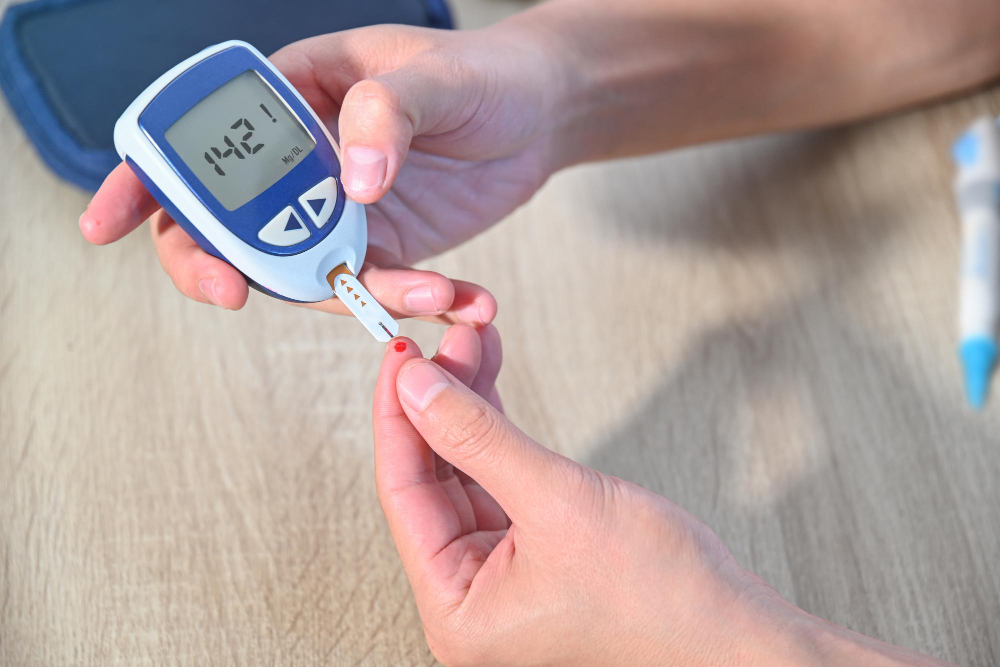
What is Type 2 Diabetes?
Type 2 diabetes is a long-term health condition. It happens when your body cannot use insulin well. Insulin is a hormone that helps sugar enter your cells for energy. When insulin does not work right, sugar builds up in your blood. This can cause health problems over time. In the United States, type 2 diabetes is the most common form of diabetes. According to the CDC, millions of people live with this condition. Early care and healthy habits can help manage it.
Symptoms of Type 2 Diabetes
Many people with type 2 diabetes may not notice symptoms at first. However, some signs can appear over time. It is important to watch for these symptoms:
Sometimes, symptoms are mild. But if you notice any of these, talk to your doctor soon. Early diagnosis can help prevent problems.
Causes and Risk Factors
Type 2 diabetes develops when your body cannot use insulin well. Over time, your body may also make less insulin. Several factors can raise your risk. For example, being overweight is a major risk factor. But other things can also play a role:
While you cannot change some risks, you can make healthy choices to lower others.
Diagnosis
Doctors use simple blood tests to check for type 2 diabetes. These tests measure your blood sugar levels. Common tests include:
If your results are high, your doctor may repeat the test to confirm. Early diagnosis helps you start treatment sooner. This can prevent serious health problems.
Treatment Options
Treating type 2 diabetes involves several steps. Your doctor will help you make a plan. Most people start with healthy eating and more activity. Sometimes, medicine or insulin is needed. Treatment options include:
With the right plan, many people manage type 2 diabetes well. Your doctor will adjust your treatment as needed.
Lifestyle and Self-Care Tips
Good habits can make a big difference in managing type 2 diabetes. For example, small changes in your daily routine can help control your blood sugar. Try these tips:
Remember, even small steps can lead to big changes over time.
Prevention Strategies
While not all cases can be prevented, you can lower your risk of type 2 diabetes. Healthy habits are key. Here are some ways to help prevent type 2 diabetes:
According to the CDC and WHO, these steps can help many people avoid type 2 diabetes.
When to See a Doctor
If you notice symptoms of type 2 diabetes, see your doctor soon. Early care can prevent serious problems. Also, if you have risk factors, ask your doctor about testing. Regular check-ups help catch changes early. If you already have type 2 diabetes, keep in touch with your healthcare team. They can help you stay healthy and adjust your plan as needed.
For personalized advice on managing or preventing type 2 diabetes, consult a healthcare professional at PULSE HOSPITALS.