Introduction to Drug Allergies
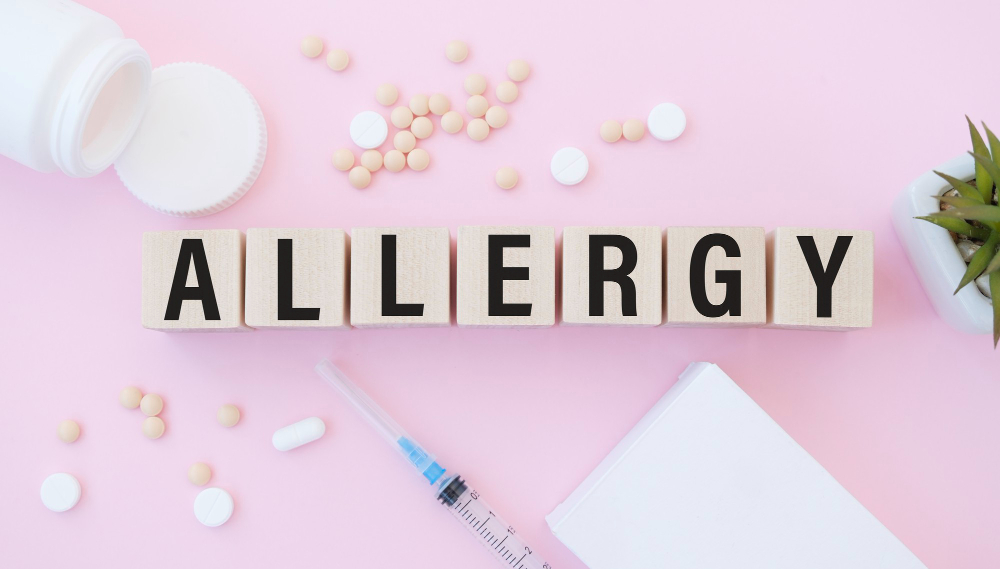
Drug allergies are reactions your body has to certain medicines. These reactions happen when your immune system thinks a drug is harmful. As a result, it fights back, causing allergy symptoms. Because drug allergies can be serious, it is important to know the signs. Early awareness helps you stay safe and avoid problems. Drug allergies can affect anyone, anywhere in the world. According to the CDC, drug allergies are a common reason for emergency visits. Knowing about drug allergies can help you and your loved ones stay healthy.
Common Symptoms of Drug Allergies
Drug allergy symptoms can appear soon after taking a medicine. However, sometimes they may take hours or days to show up. It is important to watch for these signs. Common drug allergy symptoms include:
In rare cases, a severe reaction called anaphylaxis can happen. This is a medical emergency. Signs include trouble breathing, swelling of the throat, and a drop in blood pressure. If you notice these, seek help right away.
Causes and Risk Factors
Drug allergies happen when your immune system reacts to a medicine. Not everyone will have a drug allergy. However, some people are more at risk. Common causes and risk factors include:
Some drugs are more likely to cause allergies. For example, penicillin and other antibiotics are common triggers. Even so, any medicine can cause an allergy in some people.
How Drug Allergies Are Diagnosed
If you think you have a drug allergy, your doctor will ask about your symptoms. They may also ask about your medical history and any medicines you take. Sometimes, doctors use tests to help with drug allergy diagnosis. These may include:
Doctors use these steps to make sure you get the right diagnosis. Always tell your doctor about any past drug reactions.
Treatment Options and Emergency Response
Treatment for drug allergies depends on how severe your symptoms are. For mild reactions, your doctor may suggest:
For more serious reactions, you may need stronger medicines like steroids. If you have anaphylaxis, you need emergency care. Doctors may give you an injection called epinephrine. This can save your life. Always seek help right away if you have trouble breathing or feel faint after taking a drug.
Prevention Tips and Lifestyle Guidance
Preventing drug allergies is not always possible. However, you can lower your risk by following these tips:
Additionally, always let your pharmacist know about your allergies. This helps them avoid giving you risky medicines. If you travel, carry your allergy information with you.
When to Seek Medical Help
If you notice signs of a drug allergy, contact your doctor. However, if you have trouble breathing, swelling of the face or throat, or feel faint, call emergency services right away. Quick action can save lives. Even mild symptoms should be checked by a healthcare professional. Early care helps prevent serious problems later.
If you suspect a drug allergy, consult a healthcare professional at PULSE HOSPITALS for personalized advice.