
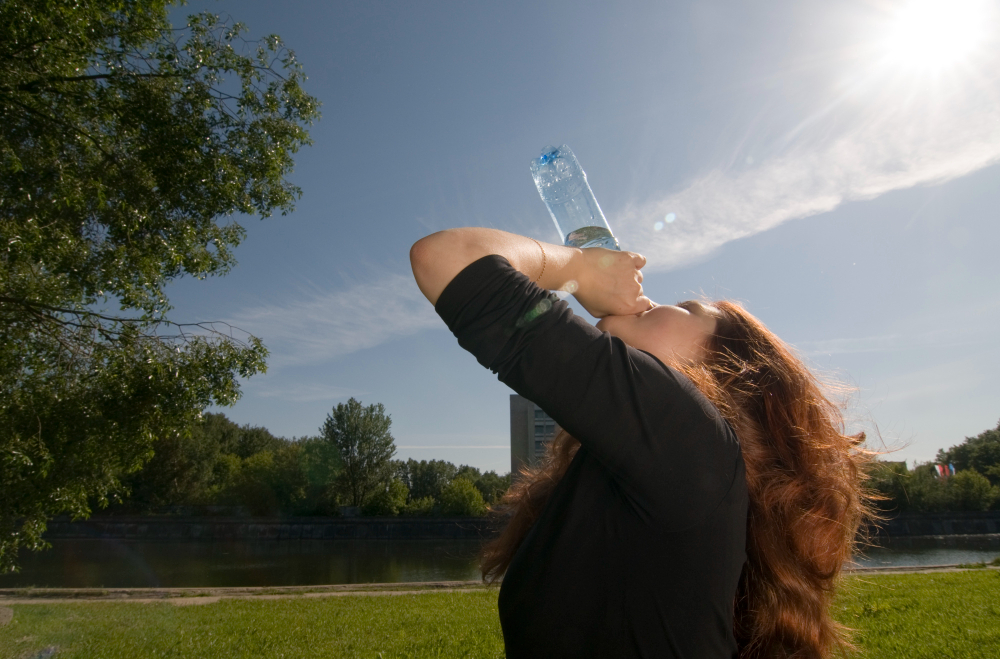
What is Dehydration?
Dehydration happens when your body loses more water than it takes in. This can make it hard for your body to work well. For example, you may feel tired or dizzy. Dehydration can happen to anyone, but it is more common in children and older adults. Knowing the signs of dehydration is important. Early treatment for dehydration can help you feel better quickly. Learning how to prevent dehydration is also key, especially in hot weather or during illness.
Symptoms of Dehydration
It is important to spot the signs of dehydration early. Some symptoms are easy to notice. Others may be less obvious. However, knowing what to look for can help you act fast. Common symptoms include:
In children, you may also notice no tears when crying or a sunken soft spot on the head. If you see these signs, it is important to act quickly.
Causes of Dehydration
Many things can cause dehydration. Sometimes, you may not drink enough water. Other times, your body may lose too much fluid. For instance, hot weather or heavy exercise can make you sweat more. In addition, vomiting or diarrhea can cause rapid fluid loss. Some common causes include:
Because of these risks, it is important to watch your fluid intake, especially during illness or in hot climates.
How Dehydration is Diagnosed
Doctors use several ways to diagnose dehydration. First, they may ask about your symptoms and how much water you drink. Next, they might check your vital signs, such as heart rate and blood pressure. Sometimes, they will look at your skin or mouth for dryness. In some cases, a urine test can help show if you are dehydrated. Blood tests may also be used to check for changes in salt or mineral levels. Early diagnosis helps prevent serious problems.
Treatment Options for Dehydration
Treating dehydration is simple in most cases. Usually, you just need to drink more fluids. Water is best, but oral rehydration solutions can help if you have lost a lot of salt or minerals. For mild dehydration, try these steps:
However, severe dehydration may need medical care. Sometimes, fluids are given through a vein (IV). If you or someone else cannot keep fluids down, seek help right away. Children and older adults may need special care.
Prevention Tips for Dehydration
Preventing dehydration is easier than treating it. For example, drink water throughout the day, not just when you feel thirsty. Here are some simple tips:
In hot climates, you may need even more fluids. Always plan ahead if you will be outside for long periods.
Lifestyle Guidance for Staying Hydrated
Staying hydrated is part of a healthy lifestyle. For instance, make drinking water a habit. Set reminders if you often forget. You can also add a slice of lemon or cucumber to your water for flavor. If you exercise, drink water before, during, and after activity. In addition, limit drinks that can dry you out, like coffee or alcohol. If you are sick, increase your fluid intake. These small steps can help you avoid dehydration every day.
In summary, dehydration can be serious, but it is easy to prevent and treat. If you notice signs of dehydration, consult a General physician at pulse hospitals for personalized advice.