
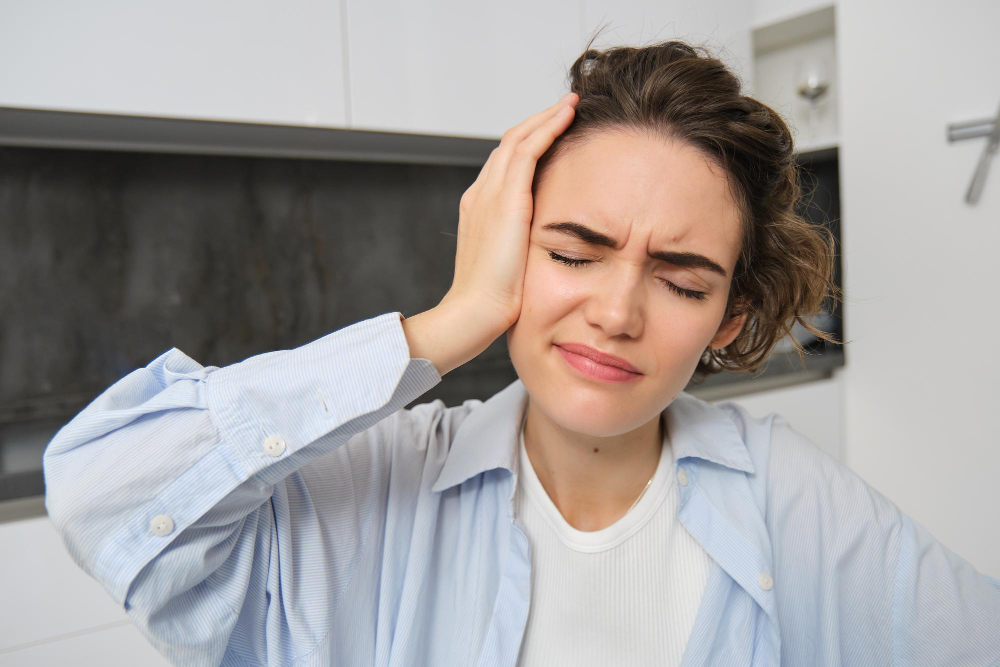
Migraine is a common and often severe type of headache. It can affect your daily life and well-being. Many people around the world suffer from migraines. According to the World Health Organization (WHO), migraines are one of the most common nervous system disorders. Early recognition and proper care can help you find migraine headache relief. This guide will explain what a migraine is, its symptoms, causes, diagnosis, treatment, and how to prevent migraines.
What is a Migraine?
A migraine is more than just a bad headache. It is a neurological condition that causes intense, throbbing pain, usually on one side of the head. Often, migraines come with other symptoms, such as nausea or sensitivity to light. Migraines can last from a few hours to several days. For some people, migraines happen rarely. For others, they occur often and can disrupt daily activities.
Common Symptoms of Migraine
Not everyone experiences migraines the same way. However, there are some common symptoms to look out for. Recognizing these signs early can help you seek migraine headache relief sooner. For example, you may notice changes before the pain begins.
Sometimes, symptoms start hours or even days before the headache. This is called the prodrome phase. After the headache, you may feel tired or confused for a short time.
Causes and Risk Factors
Doctors do not know the exact cause of migraines. However, several factors can increase your risk. Understanding these can help you avoid migraine triggers and learn how to prevent migraines.
While you cannot control all risk factors, knowing your triggers can help reduce migraine attacks.
How is Migraine Diagnosed?
If you have frequent or severe headaches, it is important to see a doctor. Early diagnosis can lead to better migraine headache relief. Your doctor will ask about your symptoms and medical history. They may also perform a physical exam.
In some cases, your doctor may order tests, such as a brain scan, to rule out other causes. However, most migraines are diagnosed based on your symptoms and history.
Treatment Options for Migraine
There are many ways to treat migraines. The right treatment depends on how often you get migraines and how severe they are. For example, some people need medicine only when a migraine starts. Others may need daily medicine to prevent attacks.
Always talk to your doctor before starting any new treatment. They can help you find the best option for migraine headache relief.
Lifestyle Tips and Prevention
While medicine can help, lifestyle changes are also important. Simple steps can lower your risk and help you learn how to prevent migraines. For instance, keeping a regular routine can make a big difference.
With these tips, you can reduce how often migraines happen and improve your quality of life.
Conclusion
Migraines can be painful and disruptive, but help is available. Early diagnosis, proper treatment, and healthy habits can make a big difference. Consult a healthcare professional at PULSE HOSPITALS for personalized migraine management.